Commercial Moves in Twickenham
Professional moving support for local businesses, offices, and workspaces

When a business needs to move, the process is rarely as simple as packing a few boxes and changing the postcode. For companies arranging Commercial Moves in Twickenham, the task can involve coordinating staff, protecting equipment, maintaining access for customers, and keeping disruption to a minimum. Whether you are relocating a small office near Twickenham town centre, moving a retail unit, shifting stock from a warehouse-style space, or reorganising a shared workspace, the right moving team can make the difference between a stressful experience and a smooth transition.
Twickenham has its own character, and that matters when planning a business relocation. From busy streets near the station to quieter residential-commercial areas close to St Margarets, Strawberry Hill, Whitton, Teddington, Richmond, and Isleworth, every move comes with practical considerations. Parking restrictions, narrow access points, mixed-use buildings, and time-sensitive schedules all need to be factored in before moving day. A local team that understands the area can help you plan around those challenges with more confidence.
Commercial moves Twickenham customers often want one thing above all else: a relocation that keeps business moving. That could mean a phased office removal, weekend scheduling, careful handling of IT equipment, or clear planning for furniture dismantling and reassembly. The best service is not just about transport. It is about preparation, communication, and a reliable plan that fits the realities of your premises and your team.
Why businesses in Twickenham move

Companies decide to move for many reasons. Some outgrow their current office and need more desks, storage, or meeting space. Others want to reduce overheads by relocating to a more suitable unit. Retailers may need a better layout, more visible footfall, or easier loading access. Professional practices sometimes move to improve convenience for staff and clients. In a town like Twickenham, where commercial spaces can range from small high-street units to office suites above shops and larger business premises nearby, the reasons for moving are often closely tied to space, accessibility, and business growth.
It is common for local businesses to need a move that works around trading hours. Shops, salons, studios, consultancies, hospitality venues, and managed offices often cannot close for long without affecting income or client relationships. That is why careful timing is so important. A commercial removal can be arranged after hours, across a weekend, or in phases so that essential parts of the business remain operational while the rest is being shifted.
There are also practical local pressures that affect planning. Areas around the A316, the town centre, and the roads connecting Twickenham with Richmond, Hampton, and Kingston can become busy quickly. Deliveries, loading times, and limited waiting space may need to be managed with precision. A knowledgeable moving team will help you account for those conditions early, so the day itself feels controlled rather than rushed.
What is included in a commercial move?

Every business has different needs, but a well-organised commercial relocation typically includes far more than transport alone. The aim is to make the process as orderly as possible, from the first walkthrough to the final placement of furniture and equipment. If you are planning Twickenham commercial removals, it helps to know what can usually be included and where additional support may be useful.
- Pre-move planning and a clear schedule for moving day
- Furniture dismantling and reassembly where required
- Packing support for files, supplies, stock, and office items
- Safe handling of IT and electronics with extra care for screens, printers, and peripherals
- Labelling and room-by-room organisation to help with set-up at the new site
- Loading, transport, and unloading using suitable vehicles and equipment
- Placement assistance so desks, chairs, cabinets, and boxes go to the correct areas
- Optional out-of-hours or phased moving to reduce downtime
Some businesses also need support with bulky or awkward items such as shelving, reception counters, archive storage, or specialist fixtures. In those cases, the move needs to be tailored carefully. A local commercial removals team can assess access, stairs, lifts, loading points, and parking limitations before the work begins, helping prevent avoidable delays.
Not every relocation is the same. A solicitor’s office, a café, a medical practice, a design studio, and a retail stockroom all require different handling. That is why a good move should be shaped around your premises, your equipment, and the way your business actually operates.
Local knowledge matters in Twickenham
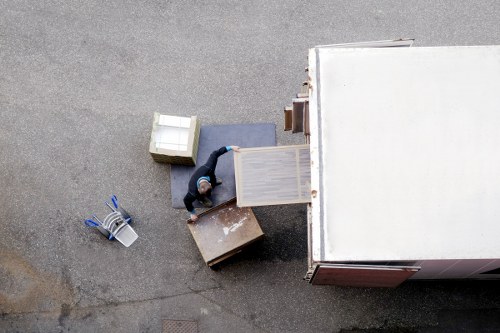
Commercial moves in Twickenham benefit enormously from local knowledge. The town includes a mixture of older buildings, newer office spaces, shared commercial premises, and premises on streets where access can be tight. In some locations, a van may need to be positioned carefully to avoid blocking traffic or interrupting neighbouring businesses. In others, loading may only be possible within a short time window. Understanding those realities in advance helps the move run more efficiently.
Twickenham also has a varied property landscape. Some businesses operate from converted buildings with stairs and narrow corridors. Others are based in modern office developments with shared entrances, lifts, and managed access. Retail premises may sit among busy pedestrian areas, while light industrial or storage spaces may be set back from the main road. A local team can plan for those differences rather than treating every job as though it were identical.
The surrounding neighbourhoods matter too. Businesses in St Margarets, Strawberry Hill, Whitton, Richmond, Teddington, Hampton, and nearby parts of Isleworth often face similar access or parking concerns, but each area has its own pattern of streets, traffic flow, and commercial use. That is one of the reasons local companies are often easier to work with: they already understand the practical geography of the area and can plan more accurately from the start.
Common access challenges
Before any move, it is worth considering a few common obstacles that can affect timing and handling:
- Limited parking or loading space outside the premises
- Narrow streets, tight corners, or restricted turning access
- Shared entrances with other businesses or residents
- Upper-floor offices with stairs or small lifts
- Busy periods around nearby schools, stations, or high streets
- Loading restrictions that affect when vehicles can stop
These issues do not need to stop a move from going ahead, but they do need to be planned for properly. The more accurate the site information, the easier it is to choose the right vehicle size, timing, and crew set-up.
How a commercial move usually works

For most companies, the moving process begins with a discussion about what needs to move, when it needs to happen, and how much disruption can be tolerated. This is the point where it becomes helpful to outline the layout of the current site, the new premises, and any items that require special handling. A commercial move should feel structured from the outset, not improvised on the day.
The next step is usually a survey or a detailed review of the work involved. This helps establish the volume of items, the access at both locations, and the amount of packing or dismantling required. It is also the stage where businesses can decide whether they need support with archive boxes, IT equipment, desks, filing cabinets, branded display units, or stock. For many local clients, having that early conversation saves time later because everyone understands the plan.
On moving day, the team will normally work through the agreed schedule, protecting items, loading carefully, and keeping the workflow organised. Good communication is essential. If there are labelled departments, separate teams, or priority items that need to arrive first, those details should be followed precisely. After unloading, furniture can be placed in the correct areas so your staff are not left moving heavy items around the new premises themselves.
Typical stages of a business relocation
- Initial enquiry and discussion of requirements
- Site review, access check, and inventory planning
- Confirmation of dates, timings, and move structure
- Packing, labelling, and preparation by the business
- Removal, transport, and careful placement at the destination
- Optional reassembly and final positioning of key furniture
Businesses that choose a phased move often do so because they want to keep part of the operation running while another section is being relocated. This can be useful for offices, clinics, studios, and customer-facing businesses where downtime needs to be controlled. If that sounds like your situation, ask about a plan that breaks the relocation into manageable stages rather than trying to move everything all at once.
Preparation checklist for local business customers
A well-prepared move tends to be faster, calmer, and less disruptive. Even if you are using a professional team for the transport and heavy lifting, your own preparation still makes a big difference. The aim is to reduce confusion and make sure everyone knows what is happening and when.
Here is a practical checklist that many businesses find useful before a commercial relocation in Twickenham:
- Notify staff early and assign responsibilities where needed
- Sort items into what is moving, what is staying, and what can be discarded
- Back up important digital data before equipment is disconnected
- Label boxes by department, desk, or destination room
- Keep essential documents, keys, and valuables separate and clearly identified
- Measure entrances, lifts, stairways, and key furniture pieces
- Check parking, loading, and access arrangements at both locations
- Plan how customers, suppliers, or service users will be informed of the move
- Set aside essential items needed on the first day in the new premises
Items that often need special attention
Not everything can be handled the same way. IT servers, monitors, specialist tools, delicate retail displays, medical items, and confidential archives may need separate packing or individual handling instructions. If your business uses specialist or fragile equipment, make sure that is discussed before moving day so the right materials and process can be arranged.
Tip: a clearly labelled “first open” box for each department can save valuable time after arrival. Include basic stationery, chargers, tape, a kettle if relevant, cleaning wipes, and any documents needed to get the day started.
Pricing factors for commercial removals
When businesses ask about pricing, they are usually looking for clarity rather than a one-size-fits-all estimate. Commercial removals are normally priced according to the size and complexity of the move, as well as the amount of time and equipment required. A smaller office move from one part of Twickenham to another may be relatively straightforward, while a larger relocation involving stock, shelving, and multiple workstations will naturally involve more planning.
Several factors may influence the final quotation:
- Volume of items and number of rooms or departments involved
- Access conditions at both the old and new premises
- Distance between locations
- Amount of packing or dismantling required
- Need for specialist handling of IT, archives, or fragile items
- Time of move, such as evenings, weekends, or phased schedules
- Vehicle and crew requirements based on the nature of the business
It is usually better to request a tailored quote than to rely on assumptions. A move between two nearby Twickenham premises may still require different planning depending on lifts, loading space, stairs, or building rules. Clear details allow the mover to prepare properly and help you avoid unexpected complications later.
Transparent discussion is key. If your business has unusual items, strict timings, or limited access, mention those early. That information helps the team shape the work correctly and improves the accuracy of the quote.
Why choose a local company for Commercial Moves in Twickenham?
There are real advantages to using a local team rather than someone unfamiliar with the area. A company that works regularly in and around Twickenham is more likely to understand the types of premises, traffic patterns, parking realities, and loading challenges that affect commercial relocations here. That practical familiarity can make a major difference to the ease of the move.
Local service also tends to be more responsive. If your plans change, your completion date moves, or you need to adjust timings around a handover or lease deadline, a nearby company is often better placed to adapt quickly. That flexibility can be especially valuable for small and medium-sized businesses, where delays can affect staff scheduling, client service, and operational continuity.
A local provider is also more likely to understand the needs of different business types in the area. Offices, retail units, hospitality venues, studios, professional practices, charities, and shared workspaces all have different priorities. The right moving company should respect those differences and build a process around them, not push a generic approach that ignores how your business works.
Benefits local customers often value
- Better understanding of Twickenham streets and access conditions
- Practical scheduling around local traffic and loading restrictions
- More suitable advice for mixed residential-commercial areas
- Faster communication during planning and on moving day
- Better flexibility for phased or out-of-hours moves
If you are comparing providers, ask how they would approach your specific property and what they would need from you in advance. A company that asks the right questions is usually better prepared to deliver a smooth result.
Types of commercial customers we can help
Commercial relocations cover a wide range of businesses. Some moves are small and straightforward; others are more involved and need careful co-ordination. In Twickenham, it is common to see a mix of business types operating from compact offices, converted premises, shared workspaces, and high-street units. A professional moving service should be able to adapt to those different environments.
- Office relocations for professional teams, consultancies, and administrative workplaces
- Retail moves for shops, showrooms, and display-based businesses
- Hospitality premises such as cafés, small restaurants, and service counters
- Clinical and treatment rooms where care and discretion matter
- Studios and creative businesses with equipment, materials, and flexible layouts
- Storage and archive moves involving files, stock, or back-office items
- Shared office and co-working transitions where timing and access need careful control
Some businesses need only a simple transport service, while others want help with packing, dismantling, and set-up. It is also common for companies to move in stages, especially if the old and new premises are both active during the changeover period. A tailored approach is always the most practical option.
Practical advice for reducing downtime
One of the main concerns during any business relocation is downtime. The longer staff are unable to work properly, the more pressure falls on customer service, sales, admin, and operations. The good news is that downtime can often be reduced through early planning and a sensible moving structure.
Here are some practical ways businesses in Twickenham can keep disruption lower:
- Schedule the move during quieter trading periods where possible
- Move non-essential items first, then the core workstations
- Use clear labels so boxes and furniture go straight to the right area
- Prepare IT and communications carefully so systems can be restored quickly
- Keep essential paperwork and tools separated for immediate access
- Arrange staff responsibilities in advance so nobody is left guessing
Businesses that rely on client appointments or regular deliveries should also think about how their move will affect visitors and suppliers. If you operate from a visible local location, clear temporary messaging and well-timed scheduling can reduce confusion and help the business continue to feel professional throughout the transition.
For many customers, the aim is simple: move the business without losing momentum. A structured commercial move supports exactly that.
Areas covered around Twickenham
Twickenham is at the centre of a wider network of business locations, and many commercial customers need removals that cover nearby neighbourhoods as well as the town itself. A local team may commonly assist with moves in and around:
- Twickenham town centre
- St Margarets
- Strawberry Hill
- Whitton
- Richmond
- Teddington
- Hampton
- Isleworth
- Ham and surrounding parts of the borough
Because these areas include a blend of residential streets, high streets, office premises, and smaller business units, the access requirements can vary widely. That is why local experience is valuable. It allows a mover to respond to the specific conditions of each site rather than relying on assumptions. If your business is close to a station, a busy junction, or a road with limited stopping space, that should be planned into the move from the beginning.
FAQs about commercial moves in Twickenham
How far in advance should I book a commercial move?
It is sensible to book as early as possible, especially if you need a particular date, weekend timing, or phased relocation. Early booking gives more time for planning, access checks, and any packing preparation your business needs.
Can my business stay open during the move?
In many cases, yes. That depends on the type of business, how the premises are laid out, and which items need to move first. Some companies choose evening or weekend work to reduce disruption. Others move in stages so core operations can continue.
Do you handle office furniture dismantling and reassembly?
Many commercial moves involve desks, tables, shelving, and other furniture that may need to be taken apart and put back together. It is helpful to ask about this during the planning stage so the move can be organised correctly.
What should I do with confidential files and documents?
Confidential items should be separated, labelled, and handled carefully. Many businesses also choose to keep particularly sensitive files under direct supervision. If your move involves archives or documents, let the moving team know in advance.
How do I prepare IT equipment safely?
Back up important data, disconnect equipment in a controlled way, and label cables and hardware where needed. Screens, servers, printers, and related equipment should be packed and moved with extra care.
What if access is difficult at one of the premises?
Difficult access is common in parts of Twickenham and the surrounding areas. Stairs, tight corridors, shared entrances, and parking limits can all be planned for if they are identified early. The more information provided before the move, the easier it is to prepare.
Can I request a quote for a small office or just a few items?
Yes. Commercial moves are not only for large companies. Small offices, studios, and independent businesses often need help with a handful of key items, a workstation, or a short local relocation. Requesting a tailored quote is the best way to get accurate information for your situation.
Book a Twickenham commercial relocation that works for your business
If you are planning a business move and want a smooth, local, practical service, now is the right time to start the conversation. A well-managed relocation can protect your time, support your staff, and reduce the disruption that often comes with changing premises. From compact office moves to larger commercial relocations, the key is to plan carefully and use a team that understands the realities of working in Twickenham.
Whether you are based near the town centre, close to St Margarets, in Strawberry Hill, Whitton, or within reach of nearby Richmond and Teddington, the same principle applies: the move should be organised around your business, not the other way around. If you need help with planning, packing, transport, or set-up, a local commercial removals service can make the process far more manageable.
Request a free quote for your commercial move, discuss your timings, and get clear support tailored to your premises. Contact us today to begin planning your Twickenham relocation with confidence.