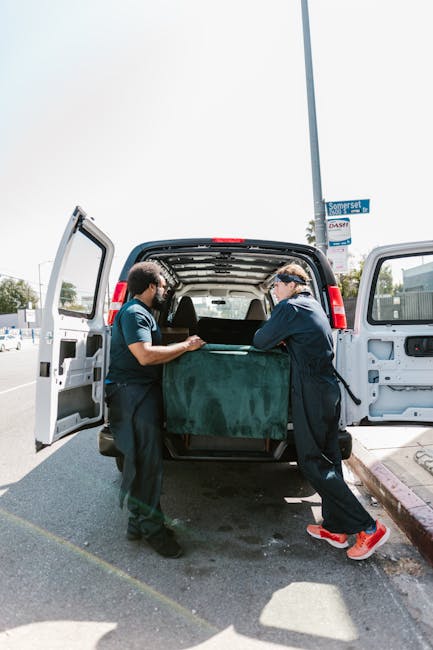
Strawberry Hill station removal tips for narrow streets

If you are planning a move around Strawberry Hill station, you will already know the real challenge is not just lifting boxes. It is the streets. Narrow road widths, parked cars, tight corners, pedestrians, and the usual London timing pressure can turn a simple removal into a slightly stressful puzzle. The good news? With the right approach, Strawberry Hill station removal tips for narrow streets can make the whole day calmer, safer, and much more efficient.
In this guide, we will walk through the practical steps that matter most: access planning, vehicle choice, packing strategy, timing, safety, and the little details people often miss until moving day. If you want a move that feels organised rather than chaotic, this is the place to start.
Why Strawberry Hill station removal tips for narrow streets Matters
Moves near Strawberry Hill station can be deceptively tricky. On a map, the distance may look short. In practice, the access route can be the hardest part of the day. Narrow streets reduce turning space, make it harder for larger vehicles to stop safely, and often leave less room for loading when traffic is busy. Add in front gardens, shared entrances, basement steps, and the occasional awkward parking situation, and you can see why a normal moving plan does not always fit.
That is exactly why Strawberry Hill station removal tips for narrow streets matter. You are not just trying to move items from A to B. You are trying to create enough space, time, and control to do it without damaging furniture, blocking traffic, or exhausting everyone before the van is even half loaded. To be fair, that sounds simple until you are standing in a street where two cars have already parked nose-to-tail and a delivery bike is squeezing through. Then it gets real.
For local moves, smart planning also reduces disruption for neighbours and passers-by. That matters more than people think. A tidy, well-managed removal usually feels less stressful for everyone involved, including the driver who has to reverse with a bit of patience and a lot of mirrors.
How Strawberry Hill station removal tips for narrow streets Works
The basic idea is straightforward: reduce uncertainty before moving day. A removal in a narrow street works best when the route, the vehicle, the timing, and the loading plan have all been thought through in advance. You want to avoid improvising at the kerbside, because improvisation on a tight road tends to be noisy, slow, and mildly expensive.
In practical terms, a narrow-street move usually involves four layers of planning:
- Access planning: checking where the vehicle can stop, turn, and load without creating avoidable problems.
- Vehicle matching: choosing a van size that fits the street and the volume of goods, rather than simply picking the biggest option.
- Load sequencing: deciding which items come out first, which stay in the property until last, and how fragile things are protected.
- Time management: building in enough buffer for parking, short carries, stairs, and the inevitable moment when a sofa meets a tight hallway and nobody wants to say the obvious thing.
For many people, using a flexible service such as man and van support is a sensible way to handle that kind of move. It can be a better fit than a much larger rigid operation, especially when the street layout is the real issue rather than the distance travelled.
A smaller, well-driven vehicle can often make the difference between a smooth collection and a half-hour of repositioning. That said, small does not mean casual. The work still needs proper preparation, good lifting practice, and sensible communication.
Key Benefits and Practical Advantages
Done well, a narrow-street move saves time, protects your belongings, and reduces stress. Those benefits sound obvious, but they come from a few very practical advantages that are easy to overlook during planning.
- Less manoeuvring stress: a suitable vehicle and route reduce the number of awkward reverses and repeated attempts.
- Lower risk of damage: shorter carries, better packing, and clearer access usually mean fewer knocks and scrapes.
- Better use of labour: movers spend less time waiting, reshuffling, or carrying items long distances from a poor parking spot.
- Less disruption: a clean loading plan helps keep pavements, driveways, and road space clear for other users.
- More predictable timings: when access is planned, arrival and completion windows are easier to estimate.
There is also a psychological benefit, which is not small. Once you know the van will actually fit and you have a plan for the awkward pieces, everything feels more manageable. People relax a bit. They stop panicking about the wardrobe. Good sign.
If you are comparing move options, it is worth looking at the broader support available through removal services and deciding whether you need help with packing, lifting, transport, or all three. Narrow streets often reward a joined-up approach rather than a piecemeal one.
Who This Is For and When It Makes Sense
These tips are most useful for people moving in or around Strawberry Hill station where street width, parking availability, and turning space are limited. That includes flat moves, small house moves, student relocations, downsizing moves, and local office or studio shifts where access is tighter than expected.
This approach makes sense if:
- your property is on a residential street with heavy on-street parking;
- the loading area is shared or only briefly available;
- the property has steps, a narrow hallway, or a tight entrance;
- you are moving larger furniture such as beds, sofas, wardrobes, desks, or appliances;
- you want to avoid using a vehicle that is too large for the road;
- you need a same-day move with limited time on site.
It is also sensible for anyone who has already had a bad moving day once. That is often the moment people become very practical. And honestly, fair enough. After one van that cannot turn around properly, nobody wants to repeat the experience.
If you are moving a whole home, browsing options like home moves or house removals can help you think more clearly about the level of service you need. The right choice is usually the one that matches access conditions, not just the number of rooms.
Step-by-Step Guidance
Here is a practical way to organise a move when the streets near Strawberry Hill station are tight.
- Measure the awkward bits. Check the width of your stairwell, front door, hallway turns, lift access if relevant, and any outdoor space the van may use. Even rough measurements help. A tape measure is boring, yes, but it saves arguments later.
- Assess the vehicle access. Walk the route from the property to the street and think like a driver. Can a van stop safely? Is there a turning point nearby? Are there parked cars that could make access much harder at certain times of day?
- Separate bulky items early. Put large furniture, boxes of books, and fragile items into clear groups. If a sofa needs dismantling, do that before the day if possible. Screws, legs, and fittings should be bagged and labelled.
- Book the right support. If the move is small, a flexible option like man with van can be a good match. For more complicated loads, a fuller team may be better. The point is to match the service to the street, not just the volume.
- Plan the order of loading. Put essentials and delicate items somewhere that makes sense for unloading. Keep things that will be needed first near the exit. It sounds simple. It is simple. But people forget it all the time.
- Protect doors, corners, and surfaces. Narrow homes often have more contact points, so use blankets, wraps, and corner protection where needed.
- Leave time buffers. Traffic, parking changes, and lift delays can all eat into your schedule. Build in breathing room. Otherwise the whole day starts rushing and nobody enjoys that.
- Confirm final access details on the morning of the move. A quick check can reveal new parked cars, bins, or roadworks that were not there yesterday.
A small local move can sometimes be handled in one tidy run if the packing is well prepared. If the job is larger or the access is awkward in several places, consider using a dedicated vehicle option such as a moving van so the load and route are balanced properly.
Expert Tips for Better Results
Here is where the small details pay off. In our experience, the best narrow-street removals are rarely the most dramatic. They are the most organised.
Use smaller load groups. Instead of carrying everything to the van in one chaotic wave, move items in short, planned bursts. That keeps the corridor clear and lowers the chance of bumps.
Keep the path through the property clear. A narrow hallway becomes much more manageable when shoes, plants, bins, and random loose bits are out of the way. It sounds obvious. Somehow it still needs saying.
Do a dry run with large items. If a wardrobe or washing machine looks close to the limit, test the route before the moving team arrives. That way, you are not discovering the problem while standing in the doorway sweating a little.
Use the street's quiet window. Early mornings and mid-afternoons can be easier than peak commuter periods. Around station areas, timing can make a bigger difference than people expect.
Communicate with neighbours where appropriate. A brief heads-up about temporary loading can prevent a lot of tension. You do not need to make it a committee meeting. Just enough to avoid surprise.
Prioritise the narrowest item first. If the hardest piece fits, the rest usually feels easier. If it does not fit, you know early and can adjust before the rest of the move gets underway.
For larger or multi-room moves, a professional removal company may be worth considering because they can help with planning, loading, and access coordination in one go. Sometimes the calmest route is the simpler one.
Common Mistakes to Avoid
Most narrow-street moving problems come from a handful of predictable mistakes. The good news is that once you know them, they are quite avoidable.
- Choosing a vehicle that is too large. Bigger is not always better. On a narrow street, a large van can slow everything down and create parking stress.
- Assuming parking will be available. It might be. It might not. Around station areas, demand changes quickly.
- Leaving dismantling until moving day. If a bed frame or wardrobe needs taking apart, do it in advance if possible.
- Packing boxes too heavily. Overfilled boxes are hard to carry and more likely to split. Books are the usual culprit, as ever.
- Not protecting furniture properly. Scratched corners and chipped paint are usually preventable with basic wrapping and careful handling.
- Ignoring stair width and turning space. The van may be fine, but the building route may be the actual bottleneck.
- Underestimating unloading time. A quick loading plan at origin means little if the destination is difficult to reach.
One more thing people often miss: not having a clear decision on what stays with the van and what comes in the car. On a tight move, that confusion can become annoying very quickly. Keep it simple.
Tools, Resources and Recommendations
You do not need a huge toolkit, but a few basics make a real difference on narrow streets.
| Item | Why it helps | Best use |
|---|---|---|
| Tape measure | Checks doorways, stair turns, and furniture dimensions | Before booking and before dismantling |
| Furniture blankets | Protects wood, painted edges, and soft furnishings | During loading and transport |
| Ratchet straps | Stops items shifting in transit | For tall or awkward loads |
| Bubble wrap or paper wrap | Protects fragile surfaces and breakables | Delicate boxes, mirrors, lamps |
| Labels and marker pens | Makes sorting faster at delivery | Room-by-room organisation |
| Gloves and sturdy footwear | Improves grip and reduces slips | On moving day, especially in wet weather |
There is also value in choosing the right type of support for the job. If your move is especially compact, a man and van removals approach may suit better than a full-size operation. If you have a lot of furniture but limited street access, it is worth asking how the load will be managed before you commit.
Useful planning also includes service expectations. Look at information such as pricing and quotes, terms and conditions, and insurance and safety so you know what is covered, what is not, and what the process looks like if plans change. Not glamorous, but very sensible.
Law, Compliance, Standards, or Best Practice
For moves around narrow streets in the UK, the most important thing is to follow normal road safety, parking, loading, and property-access best practice. Exact rules can vary by location, street layout, and timing, so it is wise to check any local restrictions that affect your specific move. Where parking is limited, do not assume you can occupy space without considering access, neighbours, or safety.
Best practice usually means:
- keeping pavements and emergency access clear where possible;
- avoiding unsafe loading from the carriageway if a safer option exists;
- using suitable lifting methods for heavy or awkward furniture;
- protecting floors, walls, and door frames inside the property;
- making sure the move is insured and agreed clearly in advance;
- following the service provider's health and safety processes.
If a job involves commercial premises or a business relocation, the standards for organisation and risk reduction become even more important. A business should not assume a narrow-street office move can be handled like a quick domestic pickup. The access plan has to be tighter. The timing usually does too.
For that reason, some people choose support through commercial moves or office removals when the load, timing, and access all need structured planning. It is not about being overcautious. It is about making the day run properly.
Options, Methods, or Comparison Table
There is more than one way to handle a move near Strawberry Hill station. The best method depends on how tight the street is, how much you are moving, and how much help you want on the day.
| Option | Best for | Pros | Watch-outs |
|---|---|---|---|
| Small van with flexible loading | Compact moves, flats, short distances | Easier access, quicker manoeuvring | May require more trips for larger loads |
| Standard removal van | Moderate home moves | Good balance of capacity and access | Can still be awkward if parking is very tight |
| Full removal team | Larger properties or more fragile contents | More hands, less lifting pressure on you | Needs good coordination in narrow roads |
| Self-move with hired vehicle | Very small moves on a budget | Lower upfront cost | Higher personal workload and more access risk |
If you are unsure which route is right, think about the street first and the contents second. That is the mistake many people make. They look at the flat size, not the parking reality. A smaller vehicle can sometimes be the smarter choice even when the move itself is not tiny.
For readers who want a middle ground, services such as removals can provide a more complete approach without forcing you into an oversized setup. It comes down to balance, really.
Case Study or Real-World Example
Picture a typical local move: a one-bedroom flat a short walk from Strawberry Hill station, a narrow residential road, parked cars on both sides, and a sofa that looked manageable until it reached the hallway. Nothing dramatic, just a very normal London moving day.
In that kind of situation, the move usually goes better when the most difficult item is dealt with first. The sofa is measured, the route is checked, and the van is positioned where it can load without blocking the street for too long. Boxes are grouped by room, fragile items are wrapped, and the heaviest boxes are kept smaller than people would usually like to admit. Nobody loves carrying a box of books that feels like a miniature granite block.
The result? Less standing around, fewer near-misses with door frames, and a quicker handover at the destination. The move is still a move, so it is not magic. But it feels controlled, and that matters a lot. By late afternoon, when the light starts going soft and the street feels a bit quieter, you notice the difference immediately.
That is the practical value of planning for narrow streets rather than hoping for the best. Hope is nice. Preparation is better.
Practical Checklist
Use this checklist before moving day. It keeps the job grounded and stops small problems from growing into big ones.
- Measure bulky furniture and compare it with doors, stairs, and tight corners.
- Check the street for parking constraints and likely loading space.
- Decide whether a smaller vehicle would be safer and easier to use.
- Dismantle beds, tables, or wardrobes if they are likely to snag.
- Wrap fragile items and protect corners, mirrors, and painted surfaces.
- Label boxes clearly by room and priority.
- Keep essential items separate for first-night access.
- Confirm access details with the moving team before the day.
- Leave a little extra time for traffic, parking, and loading delays.
- Make sure you understand the agreed service scope and any insurance cover.
Expert summary: The safest narrow-street move is rarely the fastest on paper. It is the one that fits the street, respects the property, and gives you enough space to work without rushing. That usually saves time in the end anyway.
Conclusion
Strawberry Hill station removal tips for narrow streets come down to one principle: treat access as part of the move, not an afterthought. When the street is tight, the van choice, packing method, timing, and loading plan all matter just as much as the boxes themselves. If you get those things right, the day feels far less stressful and much more controlled.
That is especially true around station areas, where parking and traffic can shift quickly. A calm, flexible plan is worth more than a rushed one, and a smaller, smarter approach often beats a larger, clumsier setup. It's not fancy. It just works.
If you are preparing for a move and want to reduce the pressure on moving day, take the time to review your access, ask the right questions, and choose the level of support that suits the street as well as the property.
Get a free quote today and see how much you can save.
Frequently Asked Questions
What is the biggest challenge with removals near Strawberry Hill station?
The biggest challenge is usually access rather than the distance of the move. Narrow streets, parked cars, and limited turning space can make loading and unloading slower than expected.
Should I use a small van for a narrow street move?
Often, yes. A smaller van can be easier to position, safer to manoeuvre, and less disruptive on tight roads. The best choice depends on how much you are moving.
How do I know if my furniture will fit through the property?
Measure the widest pieces, doorways, stair turns, and any awkward bends in advance. If something looks tight, test the route before moving day rather than guessing.
Is it better to move early in the morning?
Sometimes it is. Early hours can mean lighter traffic and a better chance of finding a loading space, though that depends on the street and local parking patterns.
What should I do with bulky items like wardrobes and beds?
Dismantle them if possible and keep all fittings together in labelled bags. That makes carrying easier and reduces the chance of damage in tight spaces.
How can I protect walls and door frames during the move?
Use furniture blankets, careful lifting, and clear walking routes. It also helps to remove loose items from hallways before anything heavy starts moving.
Do I need professional help for a small flat move?
Not always, but professional help can be useful if access is difficult or the furniture is heavy. A small move can still be physically demanding in a narrow street.
What if parking is unavailable on the day?
Have a backup plan. You may need to adjust timing, use a different loading point, or allow extra carrying distance. That is why flexible planning matters.
Are there insurance or safety issues I should check first?
Yes. It is sensible to check that the service includes appropriate insurance and that moving practices follow basic safety standards. Clear terms help avoid confusion later.
How do I keep moving day from becoming stressful?
Prepare early, label boxes, clear the route, and leave buffer time in the schedule. Honestly, a lot of stress comes from rushed decisions that could have been avoided.
Can narrow-street removals work for offices too?
Yes, but office moves usually need even tighter planning because of equipment, deadlines, and business disruption. Structured support is often the better choice there.
What is the most common mistake people make?
Choosing a vehicle or plan that is too ambitious for the street. People often focus on the load size and forget the road access. That is where trouble starts.
For broader information about service standards and company background, you may also find about us useful, along with the site's health and safety policy when you want to understand the practical approach behind the move. Sometimes the small details give you the most peace of mind.
And if you are still comparing your options, it can help to look at removals near me as a starting point for local support that feels closer to what you actually need.
At the end of the day, a narrow-street move is just another move with a few extra wrinkles. Handle those well, and the rest tends to fall into place. Slow down a little where it matters, stay organised, and you will be fine.