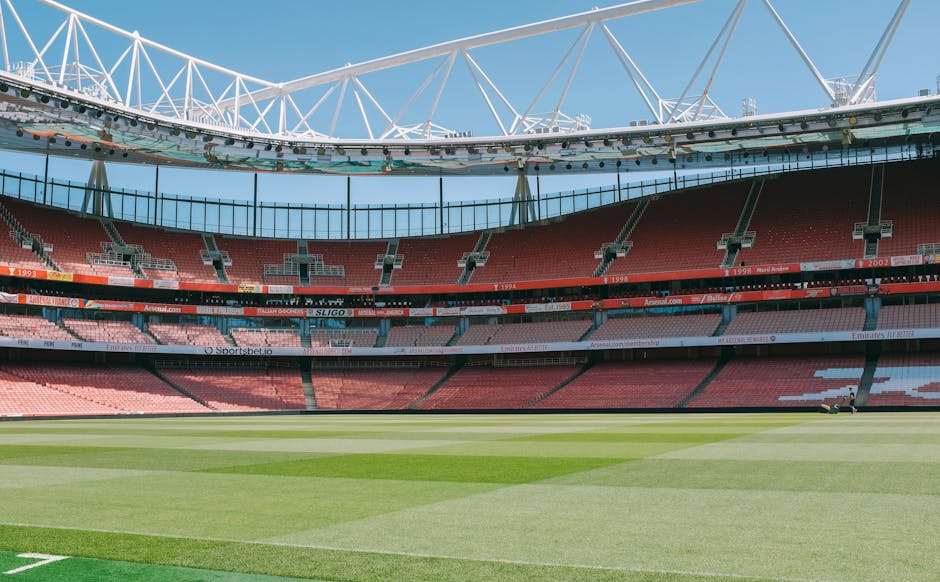
Removals near Twickenham Stadium TW1 parking and access: a practical local guide
If you are planning Removals near Twickenham Stadium TW1 parking and access, the challenge is rarely just the lifting and carrying. The real headache is often the bit in between: where the van can stop, how close it can get, what happens on match days or event days, and how to avoid turning a simple move into a slow, stressful shuffle with boxes on a busy road. Around Twickenham Stadium, that part matters a lot.
This guide walks you through how local removals work in this part of TW1, what to check before move day, and how to make access easier whether you are moving from a flat, a family home, or a small office. You will find practical planning tips, common mistakes, and a realistic look at the decisions that make removals smoother. No fluff. Just the sort of advice that actually helps when the van is waiting outside and you are trying to find the front door key.
Why Removals near Twickenham Stadium TW1 parking and access Matters
Twickenham Stadium changes the rhythm of the area. On a quiet weekday, you may be able to pull up relatively close, load efficiently, and be gone before the kettle has even cooled. On event days, though, the same streets can feel completely different: more traffic, more pedestrians, more restrictions, and far less room for error. That is why access planning is not a small detail. It is the move.
In practical terms, removals near a major venue are about reducing friction. If the van cannot stop near the property, every item takes longer to move. If parking is awkward, the team spends more time walking than loading. If the route is poorly planned, a job that should take an hour can turn into a much longer day. And yes, that tends to happen just when you want everything done quickly.
Local access matters even more if you live in a narrow residential street, a mansion block, a converted flat, or a property with limited frontage. In those settings, the success of the move depends on small details: the size of the removal vehicle, whether there is room to open doors, how far the carry is, and whether neighbouring traffic or stadium activity will interfere.
Expert summary: Around Twickenham Stadium, the best removal plans are built around access first and packing second. If you can park legally, load safely, and keep the carry distance short, almost everything else gets easier.
How Removals near Twickenham Stadium TW1 parking and access Works
There is no single formula, because every property and every day is a little different. But the process usually follows the same pattern. First, someone checks where the vehicle can stop, how long it can stay, and whether the road layout supports loading without creating a hazard. Then the team works out whether they need one vehicle, a smaller van, or perhaps a shuttle arrangement if direct access is limited.
A good removal company will usually ask for a few simple but important details: the exact street, floor level, whether there is a lift, if parking is suspended or permit-only, and whether there are stairs, tight corners, or restricted entrance points. Around the stadium, they may also ask about event dates or times, because even a normal weekday can become awkward if a match, concert, or large crowd is expected nearby.
It helps to think of the move in stages:
- Pre-move assessment: check parking, access points, likely carry distance, and property layout.
- Vehicle planning: choose a van that suits the street and the load, not just the size of the job.
- Arrival timing: arrive early enough to handle traffic, but not so early that parking becomes uncertain.
- Loading and protection: protect furniture, avoid blocking pedestrians, and keep the route clear.
- Exit strategy: know how the van will leave once loading is done, especially on tighter roads.
In our experience, the moves that feel calm are usually the ones where someone has already walked the route mentally. They know where the sofa is coming out, where the van is stopping, and which box goes first. It sounds simple. It really is. But simple planning saves a surprising amount of stress.
Key Benefits and Practical Advantages
Good parking and access planning gives you more than convenience. It improves the whole quality of the move. Less time is wasted, fewer items are carried awkwardly, and the team can focus on handling your belongings properly rather than improvising in the street.
- Faster loading and unloading: shorter carry distances usually mean a quicker job.
- Lower risk of damage: fewer turns, fewer door frames, fewer chances to clip furniture on the way out.
- Less disruption to neighbours: efficient access reduces noise, blocking, and general chaos.
- Safer working conditions: a proper parking plan helps avoid rushed lifting and awkward manoeuvres.
- Better cost control: when a move runs smoothly, you are less likely to need extended labour time.
There is also a quieter benefit: peace of mind. You know the van can actually get where it needs to be. That sounds small until you are standing in the hallway at 8:15 in the morning wondering whether the street is wide enough for the vehicle. Let's face it, nobody wants a moving day mystery.
If your move involves bulky items, such as wardrobes, pianos, or large sofas, access becomes even more valuable. Wider doors, cleaner routes, and better parking can be the difference between a straightforward lift and a complicated team lift with lots of repositioning. For those kinds of moves, services such as furniture removals in Twickenham or piano removals in Twickenham can be especially useful because they are designed for heavier and more awkward items.
Who This Is For and When It Makes Sense
This type of planning is useful for almost anyone moving in the TW1 area, but it is especially relevant for people close to Twickenham Stadium and the surrounding roads. If you are moving from a terrace house, a top-floor flat, a rental property with limited parking, or an office near busier routes, access planning should be part of the booking conversation from day one.
It also makes sense if you are moving on a tight schedule. Same-day or short-notice moves often leave less room for parking guesswork, so a well-organised plan can be the thing that keeps the day from spiralling. If that sounds familiar, a same-day removals service in Twickenham may be more appropriate than trying to patch things together last minute.
Typical situations where this matters most include:
- flats with limited or no resident parking
- homes on narrow residential roads
- moves during stadium events or busy weekends
- properties with long stair carries
- office relocations that need a tight turnaround
- student moves where budget and speed both matter
If your move is straightforward but you still want a lean, cost-conscious option, a man and van in Twickenham or man with a van in Twickenham can be a practical fit. For larger households, a fuller house removals service is often the better route.
Step-by-Step Guidance
A good move near the stadium begins before the van arrives. Here is a sensible way to handle it.
1. Check the street before move day
Do a quick physical walk around the property. Look at the road width, curb space, turning room, and where pedestrians naturally pass. If you can, note whether loading would block a driveway, junction, or busy footpath. Even a five-minute walk can reveal little obstacles that would otherwise become a problem later.
2. Confirm parking options early
Ask whether the location is permit-controlled, time-limited, shared, or unrestricted. If the road has parking bays, check if they are likely to be available at the moving time. Around a stadium, availability can change fast. A space that looks free at 9 a.m. may not be free at 11 a.m.
3. Match the vehicle to the access
The biggest van is not always the smartest van. On tighter streets, a slightly smaller vehicle may make loading easier because it can stop closer to the entrance. That means fewer steps, less strain, and a more controlled process. For many local jobs, a removal van in Twickenham offers the right balance between capacity and manoeuvrability.
4. Prepare the property for a quick exit
Clear hallways, move loose rugs, protect floors if needed, and keep keys, parking details, and instructions in one place. It sounds basic, but people often forget the basics on moving day. One missing key or blocked doorway can put everything on hold for ten minutes, then twenty, then... well, you know how that goes.
5. Load in a logical order
Start with larger and heavier items, then build around them with medium boxes and softer items. Keep anything fragile, essential, or needed immediately to one side. If you are packing yourself, packing and boxes in Twickenham can help you organise materials before move day, which is often half the battle.
6. Leave a little flexibility
Even the best plans need breathing room. Traffic, weather, residents returning home, or a last-minute access issue can all slow things down. A calm, flexible schedule is better than a packed timetable that leaves nowhere for reality to land.
Expert Tips for Better Results
The small things make the big difference here. That sounds obvious, but on the ground it really holds true.
- Book the move around local traffic patterns: a mid-morning slot can be easier than an early afternoon one if events are expected nearby.
- Share photos of the access point: a picture of the front door, steps, and street can be more useful than a long explanation.
- Measure awkward items: sofas, beds, and cabinets should be checked against doorways and stair turns before move day.
- Keep essential items separate: documents, chargers, kettle stuff, medication, and basics should travel with you.
- Label boxes by room: not just "kitchen", but "kitchen - fragile" or "bedroom - first night". That little extra helps.
- Ask about insurance and handling: for valuable or delicate items, peace of mind matters as much as speed. You can review insurance and safety information before you book.
One practical local trick: if you know a stadium event is due, build your move around it rather than against it. A slightly earlier arrival or a later start can save more time than any amount of rushing. Rushing near a crowd is never elegant. Or safe, if we are being honest.
If you are comparing providers, it is worth looking at the full service picture. Some customers only need a simple loading option, while others need storage, packing help, or a more structured move. The services overview page is useful for understanding the broader range available.
Common Mistakes to Avoid
A lot of moving problems are avoidable. Not all of them, of course. A stubborn traffic jam has its own plans. But many are the result of poor preparation.
- Assuming parking will be easy: around Twickenham Stadium, assumptions are risky.
- Booking the wrong vehicle size: too large can mean poor access; too small can mean multiple trips.
- Ignoring event calendars and busy periods: this one catches people out more than they expect.
- Not checking floor access: stairs, lifts, and narrow landings can slow a move dramatically.
- Leaving packing until the night before: tired packing leads to poor labelling and broken items.
- Forgetting to tell the removal team about obstacles: things like low ceilings, steep steps, or awkward gates should be mentioned early.
A quieter mistake is underestimating how physically tiring a long carry can be. A 10-metre carry sounds fine until you repeat it forty times with boxes, furniture, and a bit of rain in the air. That is when good access starts to feel very valuable indeed.
Tools, Resources and Recommendations
You do not need fancy gear to plan a local move well, but a few simple tools help a lot.
- Phone camera: take pictures of parking spaces, entrances, stairs, and any restrictions.
- Basic tape measure: measure larger furniture and any tight doorways.
- Notebook or notes app: keep parking details, access codes, and contact numbers together.
- Boxes and labels: make room labelling clear and consistent.
- Protective wrapping: especially useful for furniture corners, mirrors, and glass items.
If you are still deciding what kind of move suits your situation, it can help to compare the different approaches. Some people need a full house move, while others only need transport and lifting for a few pieces. For example, flat removals in Twickenham are often built around stairs, access constraints, and smaller loads, while office removals in Twickenham usually need a quicker, more organised workflow.
If you want to plan storage as part of the move, perhaps because dates do not line up neatly or your new place is not ready yet, storage in Twickenham can be a useful back-up. It takes some pressure off the moving day, which honestly is never a bad thing.
Law, Compliance, Standards and Best Practice
For local removals, the main compliance concerns are usually practical rather than dramatic. The key is to avoid unsafe parking, obstruction, or rushed lifting. A responsible removal provider should respect road users, pedestrians, neighbouring properties, and any restrictions that apply to the street or building.
In the UK, best practice normally means parking legally, not blocking dropped kerbs or access routes, and making sure the loading process does not create unnecessary danger. If the property has shared access, a block manager or landlord may also have house rules about moving times, lift use, or protective coverings. Those rules are worth checking in advance, even if they feel a bit fussy at first.
Health and safety matters too. Proper lifting technique, sensible team coordination, and clear routes reduce the chance of damage or injury. If you are comparing providers, it is fair to ask how they handle heavy items, what protection they use, and whether they have a clear health and safety policy. That is not being difficult. It is just being sensible.
You may also want to review company terms, payment handling, and policies before confirming your booking. For many people, the trust side matters almost as much as the logistics. Pages like terms and conditions and payment and security help set expectations clearly before moving day arrives.
Options, Methods, or Comparison Table
Different types of removals near Twickenham Stadium suit different access conditions. Here is a simple comparison to help you think it through.
| Option | Best for | Parking and access fit | Typical trade-off |
|---|---|---|---|
| Man and van | Small flats, lighter loads, short local moves | Good for tighter streets and shorter carries | May require more trips if the load is larger than expected |
| Removal van | Medium-sized domestic moves | Balanced capacity and manoeuvrability | Needs better parking planning than a smaller vehicle |
| Full house removals | Family homes, larger inventories, complex moves | Best when there is decent access or a planned loading area | May need more time and coordination |
| Flat removals | Apartment moves with stair or lift access | Useful where building access is the main issue | Requires clear building details in advance |
| Office removals | Workplaces and small business relocations | Best when timing and access windows are controlled | Often dependent on building rules and quick turnaround |
For some readers, the better choice is not a bigger vehicle but a smarter service. For others, the priority is speed. If you are in a hurry, same-day removals in Twickenham can be the practical answer, assuming access can be managed properly.
Case Study or Real-World Example
Here is a realistic example based on the kind of move people often face near the stadium.
A couple moving from a first-floor flat near Twickenham Stadium had a decent amount of furniture but very limited kerbside space. The street was narrow, and on event weekends the area became busy very quickly. Rather than booking a large vehicle and hoping for the best, they sent photos of the entrance, staircase, and road layout in advance. They also flagged a narrow turn at the bottom of the stairs and a heavy wardrobe that could not realistically be lifted without planning.
The solution was straightforward: a smaller, more manoeuvrable van was used, the arrival time was set earlier in the day, and the loading order was planned so the heavier items came out first. The carry distance stayed manageable, no neighbour complained about blocked access, and the move was finished without the kind of last-minute panic that tends to age people by about five years.
The key lesson? Access details are not administrative noise. They shape the whole moving experience. Once that was understood, the rest of the day became far more predictable.
Practical Checklist
Use this checklist before move day. It is simple, but that is the point.
- Confirm the full address, postcode, and exact entrance.
- Check whether parking is permit-based, time-limited, or unrestricted.
- Ask whether there are stadium events or local disruptions expected.
- Measure large furniture and note any tight doorways or stairs.
- Clear hallways and stairwells before the team arrives.
- Prepare labels for boxes and keep essentials aside.
- Share photos of the access point if anything looks awkward.
- Confirm the vehicle size and estimated arrival time.
- Keep keys, phone, and access details handy.
- Review any insurance, safety, and service terms in advance.
If you have extra items or a delayed completion, it may be worth considering removals in Twickenham with storage or a more flexible schedule. A little flexibility often saves a lot of frustration.
Conclusion
Removals near Twickenham Stadium are perfectly manageable when parking and access are treated as part of the move, not an afterthought. The difference between a smooth day and a stressful one often comes down to a few basics: the right vehicle, a clear loading plan, realistic timing, and honest information about the property and street.
Whether you are moving from a compact flat, a family house, or a small office, the smartest approach is the one that respects the local layout. Around the stadium, that means thinking ahead, staying flexible, and keeping the route as simple as possible. It is not glamorous, but it works. And on moving day, that is what matters most.
If you are still weighing up your options, start with the access details first and let the rest follow from there. That one habit alone can save a lot of time and worry.
Get a free quote today and see how much you can save.
Frequently Asked Questions
Can a removal van park near Twickenham Stadium on moving day?
Sometimes yes, sometimes no. It depends on the exact street, the time of day, and whether there is an event nearby. The safest approach is to check parking conditions early and share the access details with the removal team before the move.
Why is access planning so important in TW1?
Because the area can become busy quickly, especially around the stadium. Good access planning reduces delays, shortens carry distances, and makes the move safer for both the team and your belongings.
What if my road has very limited parking?
Then a smaller van, an earlier arrival, or a short shuttle-style loading plan may be more suitable. The key is to tell the removals team before move day so they can prepare properly.
Do stadium events affect local removals?
They can. Event traffic, crowd movement, and parking pressure may make access slower or more restricted than usual. If possible, avoid scheduling the move during known busy periods.
Is a man and van service enough for a flat move near the stadium?
Often yes, especially for smaller flats or lighter loads. It can be a smart choice when parking is tight and the property access is straightforward.
What should I send the removal company before the move?
Photos of the street, the front entrance, stairs, lift access, and any parking signs are very helpful. A quick description of larger items is useful too.
How early should I book a removals company for this area?
As early as you can, especially if your move date is during a busy local period or near an event day. Early booking gives more choice over timing and vehicle size.
Can I combine removals with storage if access is awkward?
Yes. Storage can be a practical solution if completion dates do not line up or if you need to move in stages. It can take pressure off a complicated move.
What's the best way to avoid damage during a tight move?
Measure large items, clear the route, and make sure the team knows about any awkward corners or stairs. Protection for furniture and floors also helps a great deal.
Are there special rules for office removals near Twickenham Stadium?
Usually the main concerns are building access, timing, and parking. Office moves benefit from a clear plan, especially if there are shared entrances or limited loading windows.
What if I need help at short notice?
If your move has come around faster than expected, look for a service that can handle urgent jobs and access constraints. A flexible setup is often more valuable than a fixed, rigid one.
How do I know which service is right for me?
Start with the size of the load and the access at your property. Smaller flats may suit a man and van setup, larger homes may need house removals, and bulky or delicate items may need specialised handling.