King Street Twickenham removals insider tips for access
If you are planning a move on or near King Street in Twickenham, access can make or break the day. Narrow approach roads, busy school-run windows, awkward building layouts, and the simple question of where the van can actually stop all matter more than people expect. These King Street Twickenham removals insider tips for access are designed to help you avoid the usual last-minute scramble and keep the move calm, quick, and properly organised.
In practice, the difference between an easy move and a stressful one is often a few small decisions made in advance: how far the crew needs to carry boxes, whether a larger van will fit safely, where lift access ends, and what to do if another vehicle blocks the kerb. A good move is rarely about brute force. It is about access. And once you understand that, the rest becomes much more manageable.
This guide walks you through the access realities that matter most, the mistakes people make, and the practical steps that save time on moving day. If you are also comparing service options, you may find it useful to look at the wider removal services overview before you decide what kind of support you need.
Table of Contents
- Why King Street Twickenham removals insider tips for access Matters
- How King Street Twickenham removals insider tips for access Works
- Key Benefits and Practical Advantages
- Who This Is For and When It Makes Sense
- Step-by-Step Guidance
- Expert Tips for Better Results
- Common Mistakes to Avoid
- Tools, Resources and Recommendations
- Law, Compliance, Standards, or Best Practice
- Options, Methods, or Comparison Table
- Case Study or Real-World Example
- Practical Checklist
- Conclusion
- Frequently Asked Questions
Why King Street Twickenham removals insider tips for access Matters
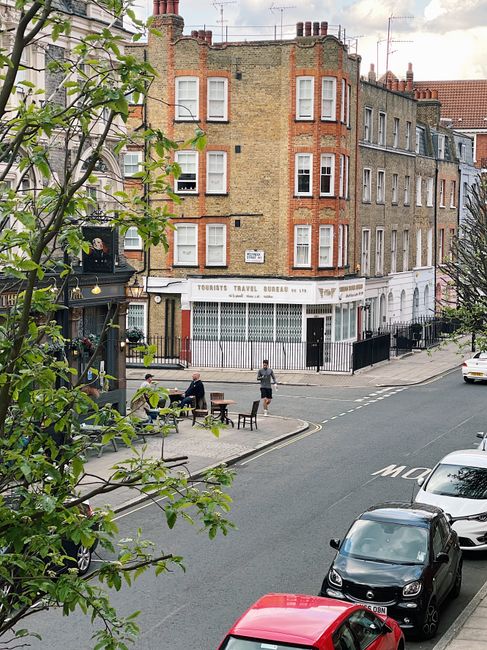
King Street sits in a part of Twickenham where moving logistics can become awkward quickly if you do not plan the approach. That is not a criticism of the street itself; it is just the reality of moving furniture through a built-up London area where traffic, parking pressure, and pedestrian movement all compete for space. A van that is technically suitable on paper can still be a poor choice if it cannot stop safely close enough to the property.
Access matters because it affects almost every part of the move:
- the time needed to load and unload
- the number of trips between the property and the vehicle
- the size of van that can be used safely
- the risk of damage to furniture, doorframes, or stairwells
- how disruptive the move is to neighbours and passers-by
That last point is easy to overlook. On a busy street, a poorly handled move can block residents, frustrate pedestrians, and make the crew work under pressure. A few minutes saved on the front end can easily turn into wasted time later. Truth be told, that is where many removals go sideways.
If you are moving from a flat, maisonette, or converted property, it is worth thinking beyond the curb. Internal access can be just as important as street access. Tight staircases, low bannisters, and awkward corners may require extra care or specialist handling. For that kind of move, a flat removals service in Twickenham can be a better fit than a generic all-purpose option.
How King Street Twickenham removals insider tips for access Works
At a simple level, access planning means matching the vehicle, crew, route, and property layout before moving day. In other words: where will the van stop, how far will items be carried, and what obstacles might appear between point A and point B? Once those questions are answered, the whole removal becomes easier to manage.
Here is how a well-planned local move usually works:
- Pre-visit or pre-assessment: The mover asks about the property type, floor level, parking, street width, and any restrictions.
- Vehicle selection: The right van size is chosen so it can access the street without creating avoidable problems.
- Timing decision: The move is booked for a time when access is likely to be better, not just when it is convenient.
- Loading plan: Heavier or awkward items are prioritised and the order of loading is mapped out.
- On-the-day adjustments: If a bay is occupied or a gate is locked, the crew adapts without losing the plot.
That sounds straightforward, and usually it is. But the details matter. A driver who knows the area can often spot the difference between a smooth stop and a difficult one before the engine is even switched off. For example, if the front of a property is limited by traffic flow, you may need to use a slightly longer carry route from a legal parking position. That is not ideal, but it is manageable when planned early.
If you are unsure what level of support suits your move, a quick read of the man and van Twickenham option can help you compare a smaller, more flexible service with a fuller removal setup.
Key Benefits and Practical Advantages
Good access planning is not just about avoiding headaches. It has very real practical benefits that improve the whole moving experience. Some are obvious, some less so. But they add up.
1. Faster loading and unloading
The closer the vehicle can get to the property, the less time the crew spends carrying items across pavements, through entrances, or around parked cars. This is especially helpful when moving bulky furniture or multiple boxes from upper floors.
2. Lower risk of damage
Longer carry distances usually mean more turning, more lifting, and more chance for a wobble. By reducing the gap between van and door, you reduce the chance of scuffed walls and bumped furniture. Simple, really.
3. Better control on tight streets
When access is planned properly, the crew can work with more confidence. That matters on narrow roads because one poor manoeuvre can throw off the schedule. A calm mover is usually a safer mover.
4. Less stress for you
Moving day already has enough going on. Knowing where the van will stop, who will open gates or doors, and how items will be moved gives you one less thing to worry about. And let's face it, that is no small thing on a moving morning.
5. Better value for money
Time lost to poor access can lead to a longer job overall. When access is understood in advance, the quote is usually more realistic and the day more efficient. If you want to explore the cost side properly, take a look at pricing and quotes before you book anything.
Expert summary: access planning is one of those small steps that quietly improves everything else. It protects your items, saves time, and reduces friction between the property, the road, and the crew. It is not glamorous, but it works.
Who This Is For and When It Makes Sense
These access tips are useful for almost anyone moving on King Street or nearby, but they matter most in certain situations.
- Flat movers: especially if the building has stairs, narrow hallways, or limited frontage
- House movers: if the street is busy and parking is tight
- Students and sharers: often moving with limited budgets and smaller crews
- Families: usually with more boxes, more furniture, and less room for error
- Office or business movers: where timing and road access need to be carefully controlled
- Last-minute moves: when there is less time to prepare, so access needs to be sorted fast
If your move involves a sofa, wardrobe, piano, or anything unusually heavy, access becomes even more important. A difficult entrance can turn a straightforward job into something much more fiddly. In those cases, specialist help is often worth it, and a dedicated furniture removals Twickenham service can be a sensible match.
And if you are moving as a tenant or from a smaller property, you may also benefit from student removals Twickenham support or a lighter moving setup. Not every move needs a big complicated operation.
Step-by-Step Guidance
Here is the most practical way to prepare access for a King Street removal, without making it more complicated than it needs to be.
Step 1: Walk the route from street to front door
Do this with a clear head, not while carrying a kettle in one hand and a clipboard in the other. Look at steps, railings, door widths, shared entrances, lighting, and anything that could slow the crew down. If there is a lift, note whether it is large enough for boxes and smaller furniture.
Step 2: Measure the awkward bits
You do not need a surveyor's kit. Just get the rough measurements of anything that might cause trouble: stairwell turns, hallway widths, entrance gates, and the dimensions of your biggest items. A lot of access problems are really size problems in disguise.
Step 3: Check parking and stopping options
See whether the van can stop close to the property without blocking essential access or creating a hazard. In many London streets, the best option is not always right outside the door. It may be a short legal stop nearby, with a sensible carry route planned from there.
Step 4: Tell the removal team the unvarnished truth
Be honest about what the property is like. If there are stairs, if a neighbour's wall narrows the entrance, if a bin lorry usually comes through in the morning, say so. The crew can only plan properly if they know the real situation. Small omissions create big annoyances later.
Step 5: Prep the property before moving day
Keep entrances clear. Remove loose mats, plant pots, spare bikes, and anything else that can get in the way. It sounds obvious, but you would be surprised how much time gets lost shifting clutter that should have been moved the night before.
Step 6: Pack by access needs, not just by room
Put heavy or fragile items where they are easiest to get to first. If the front room holds the heaviest boxes, make sure they are not buried behind three days' worth of last-minute chaos. If you need packing help, the packing and boxes Twickenham page is worth a look.
Step 7: Confirm the arrival window and contact details
Timing matters. A driver arriving during school drop-off or peak congestion may face delays even if the route is short. Keep your phone nearby, and make sure someone can meet the vehicle quickly if needed.
Step 8: Have a backup plan for blocked access
This is the bit people forget. What happens if a delivery van is parked in the best stopping position? Or if another resident has taken the nearest bay? Decide in advance how far the team can reasonably carry items and where a fallback stop could be used.
Expert Tips for Better Results
These are the small, practical things that experienced movers tend to think about before anyone starts lifting boxes.
Book with access in mind, not just price
The cheapest option is not always the best if it does not suit the street or property. A slightly better-matched vehicle or crew can save time and avoid frustration. If you are comparing providers, the broader removal companies Twickenham information can help you think through the differences.
Use the quietest window you can reasonably get
Mid-morning or early afternoon often works better than the busiest rush-hour periods, but local conditions vary. On a street like King Street, the best slot is the one that gives your crew the best chance of stopping safely and getting on with the job.
Protect the building as well as your furniture
Old paintwork, polished bannisters, and narrow doorframes do not forgive careless handling. Covering vulnerable surfaces and using sensible carrying methods is worth the little extra effort. That goes for both the team and the client side of the move.
Keep one person free to manage access
If possible, have one person on hand whose only job is to answer the door, deal with parking hiccups, and guide the crew. A move runs more smoothly when somebody is not trying to do everything at once. Multitasking sounds impressive. It usually isn't.
Think about storage if access is awkward on both ends
If your old property is hard to reach and the new one is not ready, temporary storage can take a lot of pressure out of the day. A flexible storage Twickenham option may help if completion timings or keys are messy.
Use a van that suits the street, not just the load
Very large vehicles are not always the best choice if the road access is limited. A slightly smaller vehicle can actually be more efficient if it gets in and out more easily. There is no trophy for bringing the biggest van. Just saying.
For moves where access is awkward but the load is fairly modest, a man with a van Twickenham arrangement can sometimes be the most practical option.
Common Mistakes to Avoid
A lot of access problems are preventable. They only look sudden because nobody wanted to deal with them until the morning of the move.
- Assuming the van can stop right outside without checking street conditions
- Underestimating carry distance from the vehicle to the property
- Forgetting about staircases, lifts, and tight corners
- Not warning the mover about parking restrictions
- Leaving bulky items unmeasured
- Failing to clear the front entrance
- Booking a time that clashes with local congestion
- Ignoring the need for temporary storage or a second trip
One of the biggest mistakes is trying to be optimistic instead of accurate. People often say, "It should be fine." Maybe. But removals reward facts, not hopes. If the entrance is tight, say so. If the parking is awkward, mention it. If the lift is unreliable, tell the team before they turn up.
Another common issue is treating access like a driver-only problem. It isn't. It affects the whole move, including packing order, protection materials, and how long everyone will be standing around waiting for the next turn. That waiting time is where the day gets expensive in energy, even if not always in cash.
Tools, Resources and Recommendations
You do not need a complicated toolkit, but a few practical items make access planning easier.
- Tape measure for checking furniture and doorway widths
- Notebook or phone notes for recording access details
- Protective covers for floors and furniture edges
- Labels and markers to keep boxes organised by room and priority
- Phone with charge so you can stay in contact on the day
- Small torch if access areas are dim or basements are involved
For added preparation, it helps to review relevant service pages in advance. If you are moving a full property, house removals Twickenham may be the best starting point. If your move is smaller or more flexible, man with van Twickenham or man with van Twickenham style support can be enough.
If you want a better feel for how the service is organised, the about us page can be useful. And if you need to talk through access details directly, use the contact page once you are ready.
Small aside: a kettle, some mugs, and a clean cloth can also be surprisingly useful. Moving day is rarely elegant. It just works better when you are prepared for a bit of mess.
Law, Compliance, Standards, or Best Practice
For access-led removals in Twickenham, the most sensible approach is to follow normal UK road-safety expectations, property access rules, and basic duty-of-care standards. You do not need to memorise legislation to move house, but you do need to avoid unsafe parking, blocked pavements, careless lifting, and damage to shared areas.
Best practice usually includes:
- parking or stopping only where it is safe and lawful to do so
- avoiding obstruction of driveways, entrances, and emergency routes
- protecting walls, floors, bannisters, and communal areas where needed
- checking insurance and safety arrangements before heavy items are moved
- following reasonable manual handling precautions during lifting and carrying
If your move involves shared access, such as a block of flats or a converted terrace, the building may have its own rules about lift use, loading bays, or damage protection. It is wise to ask before moving day rather than improvise on the spot.
It is also sensible to read service terms carefully, especially if you are booking a time-sensitive move or need flexible arrangements. You can review the company's terms and conditions, along with the insurance and safety information, so expectations are clear from the start.
If sustainability matters to you, some movers also take account of reuse, recycling, and waste reduction. That is good practice, and in real life it often means fewer unnecessary trips and less cardboard going to waste. The recycling and sustainability page gives a useful sense of that approach.
Options, Methods, or Comparison Table
Different moves need different access strategies. Here is a simple comparison to help you choose the right approach.
| Move type | Access challenge | Best approach | Typical fit |
|---|---|---|---|
| Small flat move | Stairs, narrow halls, limited parking | Smaller van, good timing, light carry plan | Student or one-bedroom moves |
| Family house move | More boxes, larger furniture, heavier load | Pre-assessment, full route check, better loading order | Three-bed homes and above |
| Office move | Time pressure, building rules, equipment handling | Scheduled access window, clear responsibility split | Commercial relocations |
| Last-minute move | Little prep time, unknown access issues | Flexible crew, quick assessment, backup parking plan | Same-day or urgent jobs |
| Specialist item move | Oversized or delicate pieces | Protective materials, experienced handling, careful route planning | Pianos, wardrobes, antiques |
If you are moving something delicate or unusually heavy, specialist handling can save a lot of grief. For example, a piano will not thank you for a rushed staircase turn, and neither will the wall. In those cases, piano removals Twickenham is the more sensible route.
Likewise, if the move is commercial rather than domestic, it is often worth looking at office removals Twickenham support because office equipment, timing, and access rules tend to be a different beast entirely.
Case Study or Real-World Example
Picture a typical moving day on King Street. A small family is leaving a first-floor flat with a narrow staircase and no private driveway. The property itself is fine, but the access is tight: a busy road, limited stopping options, and a front entrance that opens directly into a stairwell with a sharp turn halfway up.
On the first look, that sounds awkward. But with the right prep, it becomes perfectly workable.
Here is what made the difference:
- The clients shared photos of the entrance and staircase before the move.
- They confirmed which side of the street would be easiest for a short stop.
- Boxes were packed by priority, so the first load contained the most essential items.
- One person stayed available to manage keys, doors, and access issues.
- A backup carry plan was agreed in case the nearest stopping point was occupied.
The result? Less waiting, fewer trips, and no unnecessary drama. Not magic. Just good planning. By mid-morning, the main furniture was out, the stairwell was protected, and the team could keep moving at a steady pace. A neighbour even commented that the whole thing was quieter than they expected, which, in London, is almost a review in itself.
That is the pattern you want. Good access planning turns a potentially messy move into a controlled one. You may still have boxes everywhere for a while, because moving is moving, but the hard part feels less hard. And that matters more than people admit.
Practical Checklist
Use this checklist the day before your move on or near King Street.
- Confirm the moving time and arrival window
- Walk the route from van to door
- Check for stairs, lifts, gates, and narrow turns
- Measure your biggest furniture items
- Make sure the front entrance is clear
- Remove loose items from hallways and landings
- Check parking, stopping, and loading possibilities
- Share access photos or notes with the mover
- Prepare keys, fobs, and any building instructions
- Keep one phone charged and available on the day
- Set aside essentials you will need first
- Arrange storage if the new property is not ready
Practical reminder: if you are feeling slightly overwhelmed, that is normal. Most people are. The trick is not trying to solve everything at once. Sort the access first, then the rest tends to fall into place.
Conclusion
King Street removals are far easier when you treat access as the main event rather than an afterthought. The van, the boxes, and the crew all matter, of course, but the route to the front door often decides how smooth the move feels in real life. A little planning goes a long way.
Keep it simple: check the street, measure the awkward bits, tell the mover the truth, and choose a service that fits the property rather than forcing the property to fit the service. That is the heart of these King Street Twickenham removals insider tips for access, and it is what helps the day feel controlled instead of chaotic.
If you are comparing options or preparing for a local move, it is worth reviewing the wider removals Twickenham service information so you can match the job to the right kind of help. Small decisions now can save you a lot of stress later.
Get a free quote today and see how much you can save.
And if all you take from this is one thing, let it be this: access is not a side detail. It is the move. Get that right, and the rest of the day has a much better chance of going well.
Frequently Asked Questions
What are the main access issues for removals on King Street in Twickenham?
The main issues are usually parking availability, road width, pedestrian traffic, and the distance between the van and the property entrance. In flats or older buildings, stairs and narrow hallways can add another layer of difficulty.
Should I book a bigger van to be safe?
Not always. A bigger van is useful if the load is large, but on a tight street a slightly smaller vehicle may be easier to stop and manoeuvre. The best choice is the one that matches both the load and the access conditions.
How far in advance should I plan access details?
Ideally as early as possible, especially if you are moving at a busy time of day or from a flat with shared access. Even a short conversation and a few photos can make a big difference.
Do I need to tell the mover about stairs and lifts?
Yes. Definitely. Stairs, lifts, and awkward turns affect both the time needed and the way items should be handled. Leaving that out is one of the easiest ways to create avoidable stress.
What if another car is parked where the van needs to stop?
Have a backup plan. A good mover will usually adapt, but it helps to know in advance what your acceptable fallback position is and how far items can be safely carried if needed.
Is same-day moving possible if access is tricky?
Sometimes, yes. But same-day moves work best when the access is straightforward or when the mover can assess the property quickly. If access is complicated, tell the team early so they can decide whether it is realistic. See same day removals Twickenham for more context.
What should I pack first for an access-heavy move?
Start with essentials and then pack in a way that helps loading order. Heavy boxes should be easy to reach, and anything fragile should be clearly marked. If you need support with materials, the package and boxes Twickenham page may help.
Do office moves need different access planning from house moves?
Yes. Office moves often need tighter scheduling, clearer building permissions, and a more careful plan for equipment handling. The property type and the pressure on timing make them quite different from domestic moves.
How can I make the move less disruptive to neighbours?
Keep the loading area tidy, avoid blocking entrances, and work within a sensible time window. Good communication helps too. A quiet, organised move is usually appreciated more than people say out loud.
What if I am not sure which moving service I need?
Start by comparing the size of the load, the access challenges, and how much help you want with packing and lifting. If the move is small, a man and van or man with a van setup may suit you. If it is larger or more complex, a fuller removal service is often the safer choice.
Can access planning help reduce the cost of the move?
Yes, indirectly. Better access planning can reduce delays, extra carrying time, and avoidable complications. It also helps you choose a service that matches the job properly, which is often better value overall.
Where can I read more about moving life in Twickenham?
You might find the local guides useful, especially the pages on Twickenham local living advice and Twickenham homebuyer resources. They give a broader sense of the area and what local moves tend to involve.